Working on centuries-old heritage properties demands a level of physical caution that standard construction projects simply do not require. When tasked with restoring a sixteenth-century stone manor or repairing the foundation of an ancient church, the primary directive is always preservation. The stones are fragile, the mortar is crumbling, and the ground surrounding the structure is often filled with undocumented archaeological artifacts. Bringing a massive, vibrating diesel excavator onto these sites is entirely out of the question. The seismic shockwaves from heavy tracks can cause historic masonry to sheer and collapse, and the wide footprint destroys the historical context of the soil layers. However, the physical reality of restoration still dictates that tonnes of earth, lime, and replacement stone must be moved daily to progress the project.
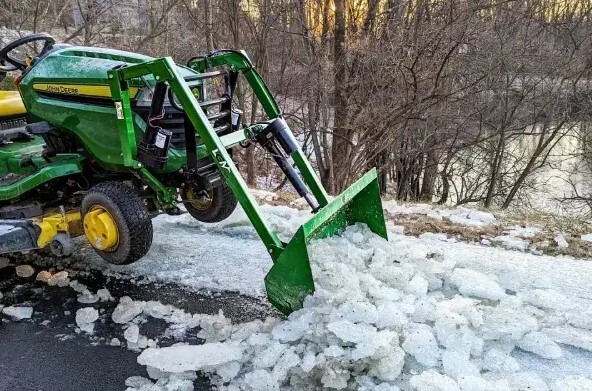
Finding the correct balance between mechanical lifting capability and a delicate footprint is the primary logistical challenge for restoration managers. The site requires a machine that can carry heavy pallets of specially mixed historic mortar to the scaffolding base without shaking the ground. A lightweight GARDEN TRACTOR FRONT END LOADER fits this highly specific requirement perfectly. These machines offer an exceptionally low ground pressure, spreading their weight evenly across soft, sensitive earth. The operator can approach a fragile, leaning retaining wall slowly, scoop away centuries of accumulated soil with millimetre precision, and transport it to the sifting screens without ever causing the damaging ground vibrations associated with commercial-grade earthmoving equipment.
The physical dimensions of historic sites also restrict equipment choices. Ancient courtyards feature narrow stone archways, and the pathways leading to old outbuildings are frequently flanked by protected, centuries-old trees. Standard construction equipment simply cannot physically fit into these spaces without causing collateral damage. Compact machinery is designed exactly for these tight, restricted environments. The short wheelbase allows the machine to pivot in small medieval courtyards, delivering heavy oak beams or carved replacement stones directly to the masons and carpenters. This accessibility eliminates the need for restoration crews to carry heavy materials by hand over long distances, significantly speeding up the careful restoration timeline.
Maintaining a clean and organised site is a strict requirement when dealing with heritage preservation boards and municipal oversight committees. Spilled hydraulic fluid or deep mud ruts across a historic lawn can result in immediate project shutdown and severe fines. Lightweight machinery operates cleanly and quietly, respecting the historic nature of the property. The fine hydraulic controls allow the operator to place materials gently, avoiding the loud crashes and dust clouds typical of modern construction sites. This controlled, deliberate approach demonstrates a high level of professional competence to the governing bodies funding the restoration, ensuring continued support for the project.
True restoration is a meticulous, deliberate process that blends historic craftsmanship with modern logistical support. The craftsmen cannot do their intricate work if they are exhausted from manually hauling stones, but the site cannot survive the brutality of heavy modern excavators. Employing compact, low-impact lifting machinery bridges this gap perfectly. It provides the necessary mechanical muscle to keep the project moving forward while ensuring the fragile, irreplaceable fabric of the historic property remains completely safe and undisturbed throughout the entire restoration process.
Conclusion
Heritage restoration sites require earthmoving and material transport solutions that do not cause damaging ground vibrations or destroy narrow historic pathways. Utilising low-impact, lightweight lifting machinery allows preservation crews to move heavy stones and mortar safely, protecting the fragile structural integrity of the ancient property.
Call to Action
Equip your restoration site with the delicate, low-impact lifting power necessary to preserve historic structures while maintaining project efficiency.


Choose a test user to login and take a site tour.