Posted by John Bailey
Filed in Technology 489 views
Factories don’t run the way they used to, and honestly, they can’t afford to. If you’ve ever seen workers flip through thick manuals or rely on memory for complex tasks, you already know where things start to slip. Errors creep in. Time gets wasted.
So, how modern factories are replacing static instructions comes down to one simple shift: they’re moving from fixed, hard-to-update documents to dynamic, real-time guidance. In this blog, we’ll walk through why static instructions fall short, what’s replacing them, and how this change is improving speed, accuracy, and everyday work on the factory floor—including a quick interactive work instructions overview along the way.
What Are Static Instructions and Why Do They Slow Things Down?
The old way of doing things
Static instructions are exactly what they sound like. They don’t change unless someone manually updates them.
We’re talking about:
Printed SOP manuals
PDFs stored in shared drives
Excel sheets with process steps
For years, these were the backbone of factory operations. And to be fair, they did their job, at least when production was simpler.
Where things start to break
However, the problem shows up when things change. And in manufacturing, things always change.
Updating static instructions takes time. Someone has to edit the document, send it out, and hope everyone uses the latest version. Meanwhile, older versions still float around.
In addition, static instructions don’t guide workers in real time. They just sit there. Workers still have to interpret them, remember steps, and hope they didn’t miss anything.
The real impact on factory floors
This leads to:
More errors during production
Slower task completion
Confusion, especially for new workers
And if we’re being honest, even experienced workers can get tripped up when instructions aren’t clear.
So if static instructions create this much friction, what’s replacing them?
What Are Modern Work Instructions, Really?
A simple shift with big impact
Modern factories are turning to digital, interactive systems that guide workers step by step.
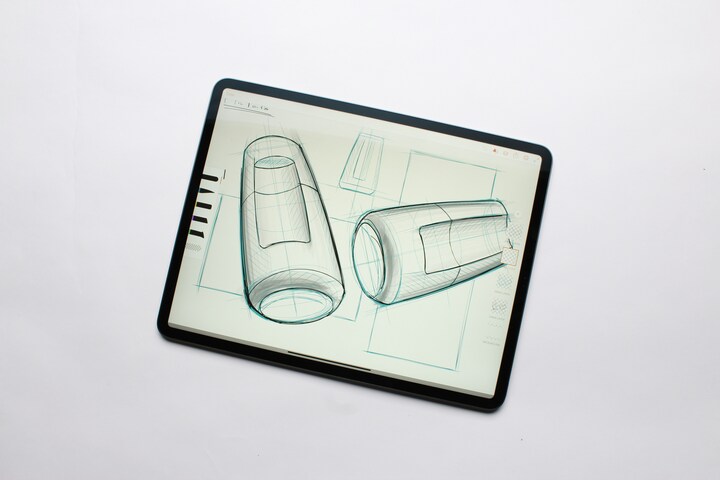
If you’re new to the idea, here’s a quick interactive work instructions overview: these are digital instructions delivered through devices like tablets or screens, often with visuals, prompts, and real-time updates built in.
What makes them different?
Unlike static documents, these instructions are:
Visual and easy to follow
Accessible on devices right at the workstation
Instantly updated across the system
Moreover, they don’t just tell you what to do—they guide you through it as you work.
Why they feel more intuitive
Think of it like this. Using static instructions is like reading a printed map.
On the other hand, interactive instructions are more like using GPS. You don’t just see the route—you get step-by-step guidance, alerts, and updates if something changes.
That shift alone changes how work feels on the floor.
Now that we know what they are, the bigger question is—why are factories switching so quickly?
What’s Driving the Shift Away from Static Instructions?
It’s not just a trend, it’s a necessity
Factories today deal with more complex products and tighter timelines.
As a result, there’s less room for error. A small mistake can slow down an entire production line.
Workforce challenges are real
At the same time, the workforce itself is changing.
You might be dealing with:
New hires who need quick training
High turnover in some roles
Workers with different skill levels
Because of this, relying on memory or long manuals just doesn’t work anymore.
Consistency matters more than ever
In addition, many companies operate across multiple locations. Keeping processes consistent becomes a real challenge.
Interactive instructions help solve this by standardizing tasks across teams.
Here’s what factories gain:
Fewer errors
Faster onboarding
Better quality control
And honestly, that’s hard to ignore.
But beyond operations, how does this actually affect the people doing the work?
Do Digital Instructions Actually Improve Worker Performance?
Less guesswork, more clarity
Short answer? Yes, they do.
When workers follow clear, step-by-step instructions, they don’t have to guess what comes next. Everything is laid out in front of them.
As a result, they make fewer mistakes and complete tasks faster.
Training becomes easier (and faster)
Instead of sitting through long training sessions, workers can learn as they go.
They follow visual instructions, complete tasks, and build confidence at the same time.
In many cases, this reduces the time it takes to get someone fully trained.
The human side often gets overlooked
Here’s the part people don’t talk about enough.
Interactive instructions reduce stress. Workers don’t feel lost or unsure about what to do next.
And for new employees, that matters a lot.
For example, picture a new worker assembling parts. With a manual, they might flip back and forth, double-checking steps. With digital guidance, they simply follow along.
It sounds small, but it changes the entire experience.
Still, one feature stands out more than the rest—and it changes everything.
Why Real-Time Updates Make All the Difference
Static vs live instructions
Static instructions stay the same until someone updates them manually.
Digital instructions, however, can change instantly.
That’s a big deal.
Why this matters in real life
Production processes don’t stay fixed. Machines get updated. Safety protocols change. New improvements get introduced.
With static systems, there’s always a delay.
However, with real-time updates, changes reach everyone immediately.
Key advantages
Instant updates across all workstations
No outdated versions causing confusion
Better tracking for compliance and safety
In fast-moving environments, this kind of flexibility isn’t optional anymore—it’s necessary.
Of course, switching systems isn’t always smooth—and that’s worth talking about.
Are There Challenges in Making the Switch?
Change isn’t always easy
Let’s be real—no system change is completely seamless.
Setting up digital instructions takes time. Teams need to input processes, test workflows, and train workers on the new system.
Resistance is normal
Some workers might prefer the old way. They’re used to manuals and may feel unsure about using new tools.
And that hesitation? Totally expected.
But here’s the trade-off
While the transition can feel slow at first, the long-term benefits usually outweigh the initial effort.
Once teams get comfortable, they often don’t want to go back.
It’s one of those things that feels like extra work—until it suddenly makes everything easier.
Once teams get past this stage, the long-term shift becomes much clearer.
What Does the Future of Factory Instructions Look Like?
Things are only getting smarter
Factories aren’t stopping at digital instructions. They’re building on them.
Some systems now use data to improve instructions over time. Others suggest better workflows based on performance.
More immersive experiences
In some cases, companies are experimenting with AR and VR.
Workers can see instructions overlaid directly onto equipment or practice tasks in virtual environments.
It sounds a bit futuristic—but it’s already happening in certain industries.
Factories are becoming more adaptive
Instead of fixed processes, systems are becoming more flexible.
Instructions adjust. Feedback loops improve performance. And over time, the entire workflow gets sharper.
And when you zoom out, the shift isn’t just about tools—it’s about how work itself is evolving.
Conclusion: Moving From Static to Smarter Systems
At the core, this shift is pretty straightforward. Factories are moving away from static instructions because they slow things down and create room for error.
Instead, they’re adopting systems that are clearer, faster, and easier to update.
Here’s a quick recap:
Static instructions are hard to maintain and easy to misinterpret
Digital instructions guide workers step by step
Real-time updates keep everyone aligned
And as more companies adopt interactive instruction software, this way of working is becoming the new normal.
Ready to take the next step? Start by reviewing how your current processes handle updates and training. Even small improvements here can make a noticeable difference on the floor.


Choose a test user to login and take a site tour.