Posted by Louisville Roofing
Filed in Business 26 views
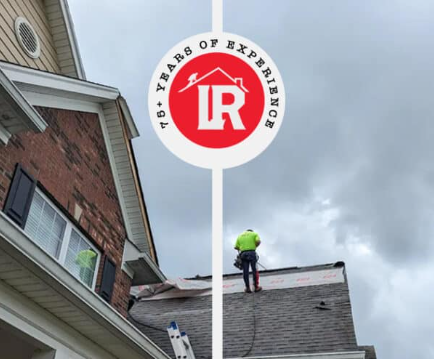
The transition between the freezing temperatures of winter and the heavy heat of summer creates a highly volatile, completely unpredictable meteorological environment. Spring weather patterns are notorious for producing sudden, incredibly violent atmospheric shifts that place massive physical stress on residential building materials. While homeowners frequently worry about the blunt physical impact of high winds or heavy hail, they completely overlook the severe structural destruction caused by rapid, extreme temperature fluctuations. The data collected from post-storm structural analysis reveals a highly specific, mathematically predictable phenomenon known as thermal shock, which actively shatters older exterior materials without requiring a single heavy physical blow from the storm itself.
The physics behind thermal shock are relentless and highly destructive. Consider a typical late spring afternoon where the sun beats down heavily on a dark asphalt surface. The highly absorbent materials can easily reach internal temperatures exceeding seventy degrees Celsius, causing the chemical structure to expand and become slightly soft. Suddenly, a fast-moving, severe thunderstorm rolls across the region, dropping the ambient air temperature and dumping freezing rain and small hail directly onto the superheated surface. Within a matter of minutes, the temperature of the material violently drops by fifty or sixty degrees. This instantaneous, massive temperature differential forces the expanded materials to contract at a completely unnatural, highly aggressive speed.
When older, weathered asphalt is forced to contract this violently, it simply cannot handle the physical stress. The material has lost its natural elasticity over the years, rendering it highly brittle and inflexible. As the surface rapidly shrinks against the rigid metal nails holding it in place, it physically tears itself apart. Evaluating this highly specific Roof Storm Damage Louisville KY requires a trained analytical eye, because the resulting micro-tears and spider-web fractures are frequently invisible from the ground level. A forensic specialist will closely examine the exact points of mechanical attachment, looking for the tiny, distinct stress fractures that radiate outwards from the nail heads. These fractures completely break the primary waterproof barrier, instantly inviting liquid water deep into the wooden decking below.
Furthermore, the statistical frequency of these thermal shock failures spikes dramatically during the months of April and May, directly correlating with the highest recorded daily temperature swings of the year. Insurance adjusters are deeply familiar with this specific type of material failure, but they require highly detailed, photographically documented evidence to approve a full replacement claim. If a homeowner simply states that their property leaked after a storm, the claim might be denied as standard wear and tear. However, presenting a detailed, data-backed report highlighting the clear physical markers of rapid thermal contraction forces the insurance provider to acknowledge the direct, storm-related cause of the sudden structural failure.
Protecting your financial investment requires understanding the invisible physical forces acting upon your property during severe weather events. You must recognise that heavy, dark materials endure massive thermal stress that fundamentally alters their structural integrity over time. By securing a professional, highly analytical inspection immediately following a severe spring temperature drop, you catch these microscopic thermal fractures before they evolve into massive, highly expensive interior water leaks. This data-driven approach to property management ensures your home remains completely secure against the most violent, unpredictable atmospheric shifts the season can produce.
Conclusion
Sudden spring thunderstorms drop freezing rain onto superheated exterior surfaces, triggering a violent physical contraction known as thermal shock. This instantaneous temperature drop completely shatters older, brittle materials, creating invisible micro-tears around the mechanical fasteners. Securing a forensic inspection provides the exact physical evidence required to prove storm-related thermal damage and secure your insurance claim.
Call to Action
Do not let invisible thermal shock fractures silently destroy your wooden structural decking. Contact our forensic weather specialists today to identify and document sudden temperature-related damage before the next rainstorm hits.


Choose a test user to login and take a site tour.