Posted by lucas Alexander
Filed in Family & Home 285 views
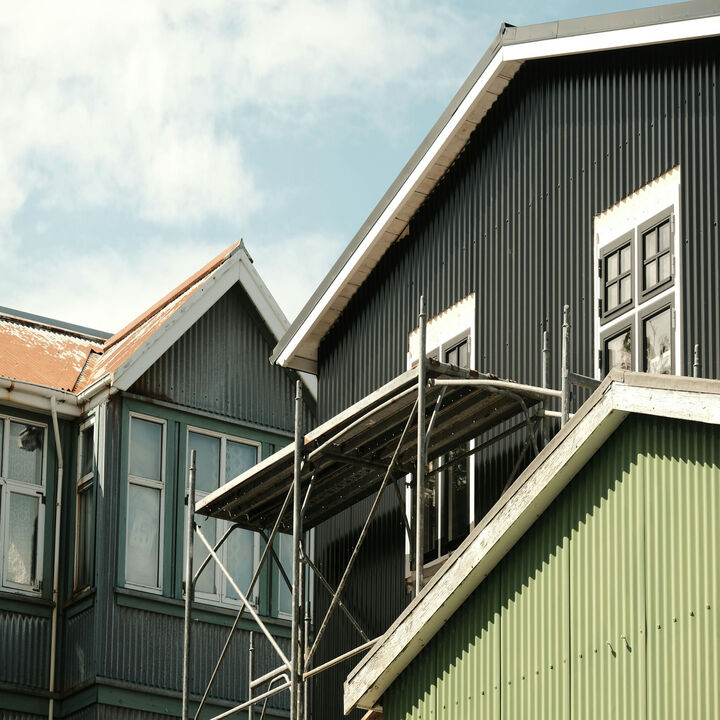
While estimating a roofing project with metal, the figures behind the estimate are as important as the level of craftsmanship. The smallest measuring error could lead to ordering insufficient material, delaying your project, or even losing out on profit. Learning to calculate the takeoff of a metal roof is essential for any contractor, property owner, or estimator planning a roofing project.
Metal roof takeoff involves more than just calculating the square footage. A metal roof takeoff involves more than just measuring square footage. Each roof will have its own specific details, such as slopes and penetrations. Correctly performed, a takeoff can strengthen and build your estimate. Here is a step-by-step guide to the entire process.
Decide the overall roof surface area. To multiply, measure the length and breadth of each roof segment.
Take, for instance:
Length by width equals area
The roof may have multiple sections. If so, you will need to calculate them separately before adding them up. Do not forget to adjust for roof pitch. A sloped roof has more surface area than a flat roof. Multiply the horizontal area by the roof pitch factor to get the true surface area. This is the foundation of accurate roofing takeoffs.
Divide the complex roofs of your home into smaller shapes.
Rectangles
Triangles
Trapezoids
It is important to measure every section. You will be able to make more accurate calculations. The structure of the order is useful when ordering panels of different sizes. In many large commercial projects, contractors prefer working with a reliable takeoff service to verify calculations and reduce costly material miscounts. This approach ensures that every ridge, valley, and penetration is included properly in the takeoff.
Once you've calculated the total number of square feet, it is time to calculate the panel count.
Use the following formula:
Total width of roof/width of panel coverage = Number of panels
The metal panel has: Number of
Actual width
Effective Coverage Wide
For calculations, always use the size of your coverage.
For panel length:
You can include the overhang, if needed.
Don't round panel sizes to avoid shortages.
To measure:
Ridges
Hips
Divided by the length standard of the ridge cap pieces. Add additional pieces for overlaps. In most cases, ridge caps will overlap several inches.
Valleys require special metal pieces. Please measure the length of each valley.
Add flashing to:
Chimneys
Skylights
Roof-to-Wall Transitions
Drip edges
They can often lead to underestimation when ignored.
When it comes to fasteners, you need:
Panel type
Wind zone requirements
Manufacturer recommendations
Check spacing guidelines. Multiply the panel total by the number of fasteners.
Safety margin: Add an extra amount.
Metal roofing scrap typically ranges anywhere from 5 to 10 per cent. More work may be required for roofs that have multiple cuts.
It is important not to forget this step. The material shortages that are inevitable without an allowance for waste materials are almost certain.
All the necessary information should be collected before taking off. To achieve accuracy, you must prepare.
You may need field measurements or roof plans. They show:
Roof dimensions
There are slopes, pitches, and pitching
You can find a ridge or valley by using the following locations:
There are many penetrations in chimneys.
The site must be measured manually if no drawings are available.
The project will determine the best method to use.
Use a laser distance meter instead of a tape measure
Pitch gauge
Drone Measurements
The roofing software estimation
The digital take-off tool
Many professionals are using digital software today to enhance their speed and precision.
Every metal roofing system is different.
Panel widths
Sizes of coverage
Fastener spacing requirement
Trim dimensions
Be sure to check the instructions of the manufacturers before calculating your materials.
Please find below a table of materials typically included in the take-off for metal roofing:
|
Component |
How It Is Measured |
Important Notes |
|
Metal Panels |
Square footage/coverage width |
Use effective coverage width |
|
Ridge Caps |
Linear feet |
Include overlap allowance |
|
Valley Metal |
Linear feet |
Account for slope length |
|
Drip Edge |
Linear feet |
Measure the entire eave perimeter |
|
Flashing |
Linear feet |
Around penetrations |
|
Fasteners |
Per panel calculation |
Follow manufacturer spacing |
|
Underlayment |
Square footage |
Match the roof area with the waste factor |
This well-structured list makes sure nothing is left out.
Even experienced estimators make errors. Here are some common mistakes:
Ignoring Roof Pitch Adjustment
Forgetting overlap deductions
Don't underestimate trim and flashing
Panel coverage is incorrect
The waste factor
The accuracy of your estimate depends on how well you attend to the details. Be sure to double-check all measurements before making your final estimate.
Both digital and manual methods are used within the industry. Calculating quantities and measuring drawings by hand are part of manual takeoffs. The software used for roof estimations is specialised. You can use these tools to:
Scale digital drawings
Automatically calculate area
Human errors: reduce them
You can save time
When it comes to larger commercial roofing projects, digital techniques are increasingly being used.
Materials are only a part of an estimate. Also, labour costs must be considered.
Labour depends on:
Roofs are a complex matter.
Panel type
Height of structure
Accessibility
Crew Experience
The exposed fastener metal roofs are more difficult to install than standing seam systems. Material quantities are directly affected by installation time, so accurate takeoffs can improve forecasting.
Not all roofs have to be the same. Easy to measure is a simple, gable-style roof.
Complexity increases:
Cutting waste
Flashing requirements
The Labor Time
Always check drawings thoroughly. It is important to note every variation in slope and roof intersection. Professional estimators check plans more than once to make sure they don't miss anything.
As soon as you complete the takeoff:
Examine all area Calculations
Confirm panel widths
Review the heights of the ridges and valleys
Count fasteners
Comparing the serial numbers to manufacturer specifications is a good idea.
Accuracy enhances credibility for clients and suppliers.
Improve your estimation abilities with these tips from professionals:
It is best to break the roof into smaller sections.
If possible, measure digitally
Confirm the specifications of every manufacturer
Use the same waste percentages
Maintain an organised takeoff sheet
Precision improves profitability.
Learn how to accurately estimate a roofing project by performing a takeoff on a metallic roof. Protecting your margins will prevent delays and increase your bid confidence.
Detailed takeoffs will also include panel quantities, fasteners (ridge caps), waste allowance, area measurement, and more. If you skip even a single component, it can impact the budget of your entire project.
If you are using software to complete your calculations or if it is done manually, consistency and paying attention to details will be the most important factors. Over time, your accuracy will improve, and so will your estimate. You can build the foundation of every metal roofing project by mastering the takeoff.
Includes panels, ridgecaps/flashing, valleys/valleys, fasteners/underlayment, waste factor, etc.
Roof complexity and roof cut-outs can affect the percentage by 5 to 10 per cent.
How many panels will be required depends on how wide the panel is. When using actual width, errors can occur.
Digital techniques reduce human error while saving time on complex projects.
It varies depending on the size of the roof and its complexity. One hour may be enough for a small home, but larger commercial roofs take more time.

Choose a test user to login and take a site tour.